

High-Protein Postpartum Breakfast Ideas for Busy New Moms
Last updated: August 10, 2026
A high-protein postpartum breakfast can be the difference between making it through a diaper change and crashing before lunch. I’d start with protein, then tack on whatever you can grab with one hand — because newborn mornings are not tidy, and coffee often arrives cold. My name is Mara, and I write about postpartum nutrition with a focus on practical meals that fit real mornings, not ideal ones.
Quick Answer: A workable postpartum breakfast usually takes under 5 minutes, uses 1 protein source, and works best when you repeat 3 to 4 go-to options instead of chasing a perfect recipe. For many new moms, the most useful high-protein breakfast is a system: eggs, Greek yogurt, cottage cheese, tofu, oats, nut butter, smoked salmon, beans, or protein-rich smoothies, paired with fruit, toast, or oats for staying power.
Key Facts / Key Takeaways
- Most busy postpartum breakfasts work best in **5 minutes or less**.
- A good target is **one protein anchor plus one carb** you can eat quickly.
- Make-ahead breakfasts help when you need **fewer decisions**.
- Assembly breakfasts help when your appetite, sleep, or baby schedule changes by the hour.
- A hybrid system gives you **2 backup breakfasts** without forcing daily meal prep.
The Real Difference Between Make-Ahead Breakfasts and Five-Minute Assembly Breakfasts
Make-ahead breakfasts are the safer bet on survival mornings. Five-minute assembly breakfasts fit the rest of the chaos — the nights when sleep is patchy, the baby is fussy, or you have no clue what your stomach wants.
Here’s the split in plain terms: one path gives you consistency, but asks for a planning moment; the other gives you flexibility, but only if the ingredients are already within arm’s reach. Honestly, in the newborn phase, I would not bank on elaborate prep. I’d keep a few building blocks in the fridge and pantry and call it good. That’s the whole trick.
Egg muffins, baked oatmeal with added protein, breakfast burritos, and chia pudding with yogurt are the usual make-ahead picks because they cut out decision-making. But there’s a catch. A burrito eaten cold three mornings straight can start to feel like punishment. Some foods also reheat badly; eggs can turn rubbery, oatmeal can dry out, and anything too wet can spill into a sad little mess.
Five-minute assembly breakfasts are easier. Think Greek yogurt with nut butter and fruit, cottage cheese on toast, smoked salmon on whole-grain bread, a smoothie with milk and protein add-ins, or scrambled eggs with leftover vegetables. These work because they rely on parts, not a full recipe. The trade-off? You have to keep replenishing the pieces.
My blunt recommendation: if you are wiped out and missing meals, lean make-ahead. If your mornings are messy but not totally random, go with assembly breakfasts. The right choice depends on how much effort you can spare before the baby wakes again.
Make-Ahead Breakfasts: Who Should Actually Use This, and Who Shouldn’t
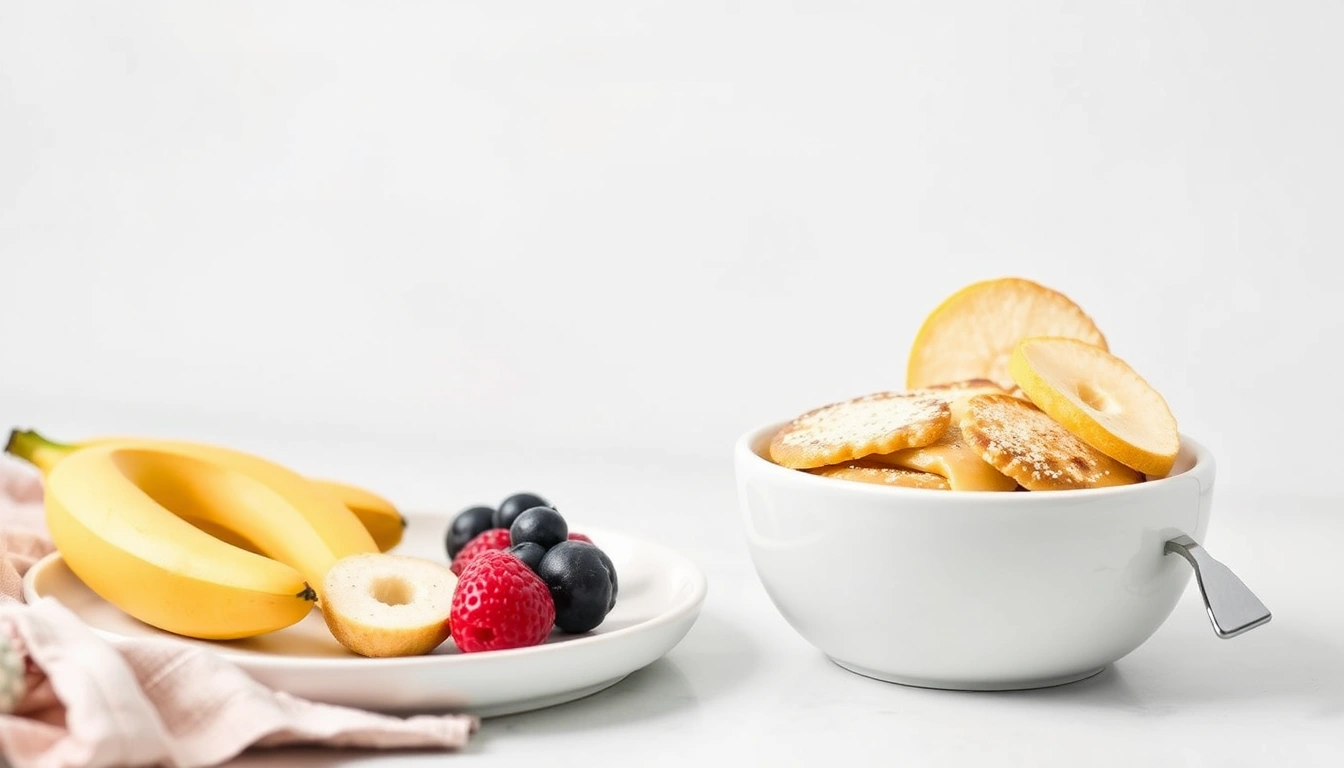
Moms who want fewer decisions and less cleanup usually do best with make-ahead breakfasts. They make sense if your mornings keep getting interrupted, you split kitchen duty with someone else, or you know you’ll skip breakfast unless it’s already sitting there.
Egg muffins, breakfast burritos, baked oatmeal with Greek yogurt stirred in after reheating, and chia pudding made with milk or yogurt are the strongest candidates. They can all deliver a solid protein base without forcing you to cook from scratch at 7 a.m. Egg muffins are neat and portable. Burritos freeze well. Baked oatmeal gives you something warm and filling. Chia pudding is the no-cook option when you want minimal effort.
The downside? Food can go stale fast, both literally and emotionally. If you hate repeats, batch cooking can backfire. Some of these also need freezer space, containers, and a little planning. Sounds minor until you’re juggling nap windows and laundry piles. And not every make-ahead breakfast is truly high-protein unless you deliberately add eggs, Greek yogurt, cottage cheese, tofu, or a protein-rich milk. That part matters.
I’d pick this route if you can carve out one short prep block and you want breakfast to run on autopilot. I’d skip it if leftovers make you cringe, storage is scarce, or your stomach is still picky after birth. For some people, even simple reheated eggs are too much in the first weeks; a plain yogurt bowl or smoothie may sit better.
Five-Minute Assembly Breakfasts: The Specific Situations Where It Wins
Five-minute assembly breakfasts win when the morning is unpredictable and appetite swings from hour to hour. They fit the moments when you need food now, not later, and you do not want to gamble on whether yesterday’s batch food still sounds good.
My favorite assembly breakfasts for busy new moms are:
– Greek yogurt with nuts, seeds, and berries
– Cottage cheese with fruit, toast, or tomatoes
– Peanut butter or almond butter on whole-grain toast with banana
– Scrambled eggs with avocado and leftover greens
– Smoked salmon on toast with cream cheese or yogurt spread
– Tofu scramble with pre-cut vegetables
– A smoothie with milk or soy milk, Greek yogurt, nut butter, and oats
Why does this method work? Control. You can change texture, temperature, and portion size on the spot. That matters postpartum, because some mornings call for something cold and drinkable, while others demand warm, salty food. You can also scale it down without feeling like breakfast failed you. Half a smoothie still counts. Good enough is good enough.
The catch is stocking the kitchen. No protein on hand? Then you are back to toast and coffee. These breakfasts also ask for more tiny choices, which can get old fast when you are already making a hundred decisions for the baby.
I’d use this approach if you have a fridge you can check quickly and you can handle a small amount of prep between feedings. I would not rely on it if you are the type who forgets groceries until the pantry looks like a ghost town. In that case, make-ahead food is safer.
The Honest Side-by-Side
| Criteria | Make-Ahead Breakfasts | Five-Minute Assembly Breakfasts | Winner for [condition] |
|---|---|---|---|
| Morning effort | Low once prepared | Very low if stocked | Assembly, when you need food immediately |
| Decision fatigue | Lower | Higher | Make-ahead, for overwhelmed mornings |
| Flexibility in appetite | Moderate | High | Assembly, when appetite changes day to day |
| Texture and freshness | Can get repetitive | Usually better | Assembly, if you are easily bored by leftovers |
| Cleanup | One prep session, then less daily mess | Minimal daily mess | Tie, depending on batch size |
| Storage needs | Needs fridge or freezer space | Needs stocked ingredients | Assembly, for tiny kitchens |
| Best for eating one-handed | Burritos, muffins | Toast, smoothies, yogurt cups | Assembly, for stroller-walking or nursing breakfasts |
| Protein consistency | Good if planned well | Good if you keep protein staples on hand | Tie, because both can fail without planning |
| Works when sleep-deprived | Very well | Well, but only if ingredients are visible | Make-ahead, when your brain is foggy |
The table says what most new moms already know: neither method wins on its own. Bandwidth decides. If your brain feels fried, make-ahead takes it. If your appetite and schedule shift every day, assembly wins. With fridge space and grocery access, I’d mix both.
Our Verdict: Which One to Choose and Why
Choose make-ahead breakfasts if you are in that postpartum stretch where getting food into your body is the main goal and thinking about it feels like too much. Choose five-minute assembly breakfasts if you need more flexibility, better texture, and less boredom. Neither makes sense if you are forcing strict meal prep while recovering from birth and still have almost no appetite, nausea, or pain; in that case, start with gentle, easy-to-digest foods and check with your clinician or a registered dietitian if something feels off.
My actual recommendation is a hybrid. Keep one make-ahead protein breakfast in the freezer or fridge, and keep one assembly breakfast ready at all times. That way you are not stuck if the morning changes shape at 4 a.m.
If I were building a postpartum breakfast plan from scratch, I would pick:
1. One freezer option: egg muffins or breakfast burritos.
2. One fridge option: Greek yogurt or cottage cheese with fruit and seeds.
3. One pantry option: oats, nut butter, and a protein-rich milk.
4. One grab-and-go backup: a smoothie ingredient stash or high-protein toast combo.
That mix solves the biggest postpartum problem: you do not need the same breakfast every day, but you do need breakfast to be easy enough that you will actually eat it. Protein helps with fullness, but so does convenience. A perfect breakfast that sits untouched is not helpful.
High-Protein Breakfast Ideas I’d Put on Repeat
If you want concrete ideas, here are the ones I would keep in rotation because they are easy, flexible, and genuinely high in protein without requiring a lot of morning work:
- Greek yogurt bowl: plain Greek yogurt, berries, chia seeds, walnuts, and a drizzle of nut butter
- Cottage cheese toast: whole-grain toast, cottage cheese, sliced tomato, avocado, or fruit on the side
- Egg muffin plate: egg muffins with spinach and cheese, plus toast or fruit
- Breakfast burrito: scrambled eggs, beans, cheese, and salsa in a tortilla
- Protein smoothie: milk or soy milk, Greek yogurt, banana, oats, and peanut butter
- Tofu scramble: tofu, olive oil, turmeric, spinach, and toast
- Smoked salmon toast: smoked salmon, cream cheese or yogurt spread, cucumber, and dill
- Baked oatmeal upgrade: oats baked with eggs or served with yogurt and seeds after reheating
I like these because they do not force a fresh recipe every week. They’re building blocks. Swap the fruit, change the bread, use beans instead of eggs, or trade dairy for soy if that sits better. That matters postpartum, because what works one week may feel off the next.
For a practical benchmark, most of these ideas can land around 15 to 30 grams of protein per serving, depending on portion size and ingredients. A cup of plain Greek yogurt is often around 15 to 20 grams, and two eggs add about 12 grams. That makes it easier to build a breakfast that is both fast and filling.
When to Reconsider This Choice Entirely
I’d step back from the whole “high-protein breakfast” conversation if any of these are true: you are struggling to keep food down, you have severe constipation or pain that makes eating hard, your breastfeeding or pumping routine is making you dizzy or shaky, or your mood is sliding in a way that makes meals feel impossible. That is not just a breakfast issue. It’s a recovery issue.
I would also reconsider high-protein breakfasts if protein is crowding out everything else on the plate. New moms need energy, fluids, and easy carbohydrates too. A breakfast of only dry eggs and black coffee can leave you frustrated and still hungry. Pair protein with oats, toast, fruit, or another carb you actually like.
One more honest point: if cooking feels like a burden, do not build a system that depends on cooking. Use grocery shortcuts, pre-cooked proteins, frozen options, and simple combinations. Postpartum is not the season for proving discipline. It is the season for getting fed.
Then the answer gets pretty simple: the best breakfast is the one you can eat while holding a baby, answering a question, or staring into space for two minutes before the next interruption. For many busy new moms, that means protein first, simplicity always, and no apology for choosing the easy thing.

Related Posts

Easy Make-Ahead Freezer Meals for Postpartum Recovery
Best Foods to Eat After Birth for Healing and Energy
