Do You Need Protein Powder After Birth? How to Choose a Safe One
Last updated: August 10, 2026
- For postpartum parents asking do you need protein powder after birth?
- My take: when regular protein-rich meals are realistic most days, you probably do not need protein powder.
- Those extras can mean bloating, nausea, jitteriness, or just a label you don’t actually understand.
- The real downside of “safe” buying is that it takes a little more time.
Quick Answer: For most postpartum parents, protein powder after birth is optional, not required. Need a number? A practical target is often about 20 to 30 grams of protein per shake, used to help fill gaps on days when food is hard to manage. For postpartum parents asking do you need protein powder after birth? how choose safe one, the answer depends on appetite, recovery, and medical history—especially if you are breastfeeding, recovering from a C-section, managing anemia, diabetes, kidney issues, food allergies, or a history of eating disorders.
Protein powder can help after birth if you’re struggling to eat enough protein from food alone, but it is not a requirement, and it is not a substitute for sleep, meals, or medical care. Postpartum, I’d talk with a qualified professional about your own situation first—especially if you are breastfeeding, recovering from a C-section, managing anemia, diabetes, kidney issues, food allergies, or a history of eating disorders.
Nutrition and supplement labels are my beat. Postpartum products are one of the easiest places to overbuy, overtrust, or accidentally choose something with extra ingredients you do not want right now. Been there, seen it.
The Real Difference Between Getting Protein From Food and Using Protein Powder
Protein powder wins on convenience. Food wins on safety margin, satiety, and overall nutrition.
The split is pretty simple. A powder can be handy when you are too wiped out to cook, when you need something fast between feeds, or when appetite is low and a full meal feels unrealistic. But a protein shake is still a processed supplement; it gives you one thing well, while food gives you protein plus iron, calcium, iodine, choline, fluids, fiber, and usually fewer surprises on the label.
For many postpartum readers, the biggest problem is not “How do I hit a perfect protein target?” It is “How do I get something nourishing into my body before I crash?” In that moment, powder can be a practical bridge. Studies and clinical guidance on postpartum nutrition generally support meeting nutrient needs through a balanced diet first, with supplements used when food intake is not enough or is hard to manage.
The trade-off is practical, too: powder can crowd out real meals if you rely on it too often. A shake disappears in two minutes. Nice and easy. That is both the appeal and the catch. It can turn into a default that keeps you from eating enough fiber and varied micronutrients, which matters a lot when recovery, mood, and bowel regularity are already under strain.
My take: when regular protein-rich meals are realistic most days, you probably do not need protein powder. If they are not, it can be a reasonable tool—but only after you’ve ruled out a medical reason your appetite or digestion has changed.
Protein Powder: Who Should Actually Use This (and Who Shouldn’t)
Protein powder wins for the exhausted, not the perfection-seeking.
I’d point a postpartum parent toward protein powder when they need an easy backup for days when food keeps getting skipped. That includes people who are recovering from birth and find it hard to prepare meals, parents who are feeding around the clock and missing breakfast and lunch, and anyone who genuinely cannot tolerate larger meals yet. It also makes sense for people who already know they do well with shakes and want a quick option they can keep by the bed, in a diaper bag, or near the pumping station.
The strength here is not magic nutrition. It is friction reduction. Fewer steps between “I need fuel” and “I have taken in fuel” means the habit is more likely to happen. Simple. Brutally simple.
The weak point is that a bad powder can make symptoms worse. Some products are loaded with sugar alcohols, gums, herbal blends, caffeine, or “beauty” add-ons. Those extras can mean bloating, nausea, jitteriness, or just a label you don’t actually understand. For breastfeeding parents, the ingredient list matters more, not less, because you do not want stimulant-type add-ons or random herbal mixes making the situation harder to interpret.
Who should skip it? I would be cautious if you have kidney disease or are on a protein-restricted plan, if you have a known milk allergy and don’t know how the powder is sourced, or if you have a history of being pulled into restrictive eating patterns by supplement culture. Also skip the idea that “more protein is always better.” In postpartum recovery, more is not automatically better, and your needs still depend on your diet, symptoms, and medical context.
The Specific Situations Where Whole Foods Win
Whole foods win when you can actually eat them.
That may sound obvious, but it is the real decision point. If you have time and appetite for eggs, yogurt, cottage cheese, tofu, beans, lentils, chicken, fish, nuts, or nut butter, those choices usually give you a better nutrition package than a scoop in water. They are also less likely to contain sweeteners, thickeners, or unnecessary extras.
Whole foods are especially strong if your main concern is not “protein” alone but “I need to feel human again.” A bowl with protein, carbs, and fat tends to feel more complete than a straight shake. It often keeps you full longer and may be easier on your digestion if powders make you gassy or queasy.
And whole foods also win if you have a sensitive stomach. Postpartum digestion can be weird—constipation, bloating, reflux, and nausea show up often enough that a heavily sweetened shake can feel like a bad trade. If a powder leaves you uncomfortable, that is not a “willpower” problem. It is a mismatch.
The real weakness of food is logistics. Fresh meals take planning, dishwashing, and sometimes actual cooking, which is a lot to ask in the newborn stage. That is where the powder can still earn a spot—not as your foundation, but as backup.
So my position is straightforward: when you can get protein from food without making your life harder, do that first. Use powder when food is unrealistic, not as the default replacement for normal eating.
The Honest Side-by-Side
| Criteria | Protein Powder | Whole Foods | Winner for [condition] |
|---|---|---|---|
| Speed | Fastest when you need calories now | Slower; usually needs prep | Protein Powder for chaotic newborn days |
| Nutrition breadth | Usually narrow, unless fortified | Broader mix of vitamins, minerals, fiber | Whole Foods for overall postpartum recovery support |
| Digestive tolerance | Can cause bloating, gas, or nausea in some people | Often easier to adjust by changing the food | Whole Foods for sensitive stomachs |
| Label risk | Higher; sweeteners, stimulants, herbs, contaminants need scrutiny | Lower; fewer hidden extras | Whole Foods for safety-minded shoppers |
| Convenience when sleep-deprived | Very high | Variable | Protein Powder for feeding-pump-repeat schedules |
| Satiety | Often weaker unless paired with food | Usually better | Whole Foods for staying full longer |
| Allergy control | Depends on source; can be tricky | Usually easier to identify and avoid triggers | Whole Foods for people with multiple sensitivities |
| Cost flexibility | Varies widely and can add up | Can be cheaper or pricier depending on choices | Tie; check current price and your grocery pattern |
| Usefulness as an emergency backup | Excellent | Limited unless prepared in advance | Protein Powder for “I forgot to eat” moments |
The table says what I would say out loud to a friend: powder is a tool, not a food upgrade. If you need something fast, it wins. If you want the better all-around option, whole foods win more often than not. It’s that plain.
How to Choose a Safe Protein Powder After Birth
Safe beats trendy every time.
I’d start by stripping away the marketing. “Postpartum,” “clean,” “beauty,” and “superfood” on the front do not tell you whether a powder is a good choice. What matters is the ingredient list, the protein source, and whether the brand seems willing to be checked.
Here is how I would sort it:
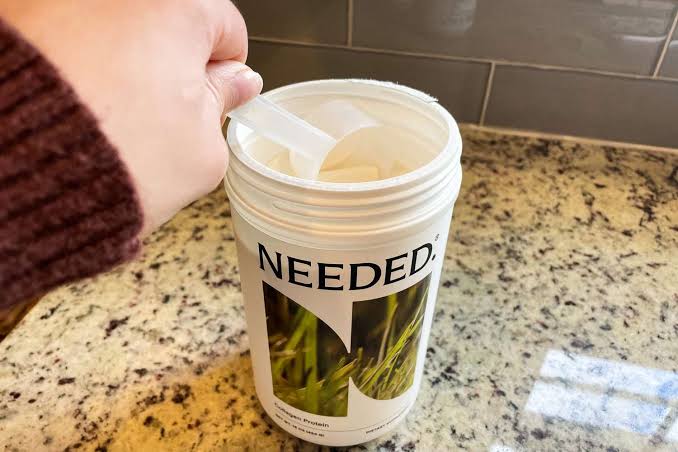
- Pick a simple protein base. Whey, casein, pea, soy, egg, or a blend are the usual options. If you have no dairy issues, whey can be an efficient choice. If you avoid dairy, pea or soy are common plant-based options. The best option is the one your body tolerates and you will actually drink.
- Keep the ingredient list short. Fewer extras usually means fewer surprises. I would be cautious with products that pile on botanicals, “fat burners,” collagen-plus-everything blends, or stimulant-like ingredients.
- Avoid unnecessary caffeine and herbal add-ons. Postpartum is not the time for mystery energy blends.
- Check for third-party testing. Brands that use independent testing or certification are generally more reassuring than brands that ask you to trust their own label alone.
- Look for transparent allergen information. If you are sensitive to dairy, soy, gluten, or sugar alcohols, the label should be easy to interpret.
- Prefer retailers with easy return policies and clear product pages. I would look at the brand site plus major retailers such as Amazon, Walmart, or Target so you can compare labels, not just headlines. The same product can be presented differently across sellers.
For a safe protein powder after birth, the practical benchmark is simple: a short ingredient list, third-party testing, and at least 20 grams of protein per serving are good starting points. The FDA also treats supplements differently from foods, so checking the label matters more than trusting the front-of-package claims.
The real downside of “safe” buying is that it takes a little more time. Annoying, yes. But that extra minute reading the panel is worth more than a clever front label. If a powder seems vague, overloaded, or trend-driven, I would pass.
Our Verdict: Which One to Choose and Why
Choose protein powder if you are postpartum, short on time, and using it as a backup to help you get protein on days when meals keep slipping. Choose whole foods if you can eat normally enough to make them the main source of protein and you want the broader nutrition and lower label risk. Neither if you have a medical reason to limit protein, a food allergy you have not fully sorted out, or symptoms that make eating difficult enough that you need professional guidance.
That is the call I would make.
Protein powder wins for a very specific type of postpartum life: irregular, sleep-deprived, underfed, and overloaded. Whole foods win for everyone else, because they do more than one job at once. They feed you, not just your protein count.
If you want the safest, least complicated path, I’d make food the base and powder the backup. If you are choosing just one direction, choose the one you can repeat without stress. In postpartum life, consistency beats optimization.
When to Reconsider This Choice Entirely
The overall verdict flips in a few real situations.
First: if you are dealing with unexplained symptoms. When eating suddenly feels hard because of nausea, pain, vomiting, bowel changes, or major appetite loss, I would not start by shopping for a powder. I would get evaluated. A supplement can hide the problem without solving it.
Second: if you have kidney disease or a clinician has told you to watch protein intake. In that case, adding powder casually is not a safe shortcut.
Third: if the powder is doing more than providing protein. If it contains caffeine, stimulant herbs, or a long wellness-buzz ingredient list, I would walk away. Postpartum is too sensitive a period for experiments that are not clearly necessary.
Fourth: if you are using powder because meals feel “too much” in a way that connects to fear of eating or body pressure. That is not a nutrition problem alone. It deserves a different kind of support.
I would also reconsider powder if you notice bloating, constipation, headaches, skin reactions, or a pattern of feeling worse after taking it. Those are not quirks to ignore. They are reasons to switch products or stop relying on supplements as the main plan.
My bottom line stays the same: use protein powder after birth only if it solves a real problem. Choose a simple, well-labeled product from a brand that is willing to be inspected. Keep whole foods at the center whenever you can.
Alternatives and vs. Options to Consider
If you are deciding between protein powder vs food after birth, the simplest alternative is not a different supplement—it is a higher-protein snack you can eat with one hand. Greek yogurt, string cheese, hard-boiled eggs, tofu, tuna packs, or nut butter on toast can each deliver about 7 to 20 grams of protein without a blender.
If you are comparing whey vs plant protein, whey is usually easier to mix and often gives a complete amino acid profile; pea or soy may suit dairy-free parents better. If you want a smoothie vs a shake, the smoothie often adds fiber and calories from fruit or oats, while a plain shake stays simpler and lighter.
And if you are weighing powder vs bars, bars can be more filling but may also be more processed and more likely to include sugar alcohols. The better choice is the one that fits your digestion, budget, and recovery day by day.