
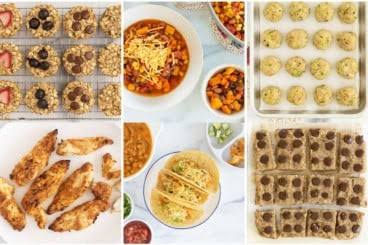
Easy Make-Ahead Freezer Meals for Postpartum Recovery
Last updated: August 10, 2026
- – A realistic goal is 8 to 12 frozen portions before delivery, or about 2 to 4 days of backup meals.
- For many households, that difference alone makes easy make-ahead freezer meals postpartum recovery worth the effort.
- For the quickest answer on easy make-ahead freezer meals postpartum recovery, aim for meals that need one hand, one pan, and barely any thinking at all.
- Key Facts – Easy make-ahead freezer meals postpartum recovery work best when they are soft, protein-forward, and easy to reheat.
Eight to 12 portions. That’s the sweet spot. For the quickest answer on easy make-ahead freezer meals postpartum recovery, aim for meals that need one hand, one pan, and barely any thinking at all. Before birth, build a small cushion; it gives you a few days of coverage when sleep is at its worst. Postpartum recovery is no time for fussy recipes, long ingredient lists, or anything that expects chopping after a sleepless night. I write about home cooking and meal planning for real-life schedules, and this is exactly the sort of problem I’d solve with a short list of forgiving dishes that reheat well, feed you one-handed, and do not fall apart into mush.
Key Facts
– Easy make-ahead freezer meals postpartum recovery work best when they are soft, protein-forward, and easy to reheat.
– A realistic goal is 8 to 12 frozen portions before delivery, or about 2 to 4 days of backup meals.
– Batch-cooked meals usually need less decision-making after birth than assembly-only freezer kits.
– The best freezer meals are the ones you will actually eat when you are tired, sore, hungry, and busy.
– Soups, stews, casseroles, baked pasta, burritos, meatballs, and breakfast sandwiches are common high-use options.
Not gourmet. Not even close. The aim is simple: get real food into your body when you are tired, sore, hungry, and busy caring for a newborn. I’d lean toward soft textures, steady protein, and ingredients that still behave after freezing. Think soups, casseroles, baked pasta, burritos, meatballs, stews, and breakfast sandwiches. Skip anything that depends on crispness or last-minute finesse.
According to the American College of Obstetricians and Gynecologists, postpartum care should be ongoing, not a single checkup, which is one reason simple food planning matters. For a broader overview of nutrition in recovery, see the NHS on eating well after birth. This context helps explain why easy make-ahead freezer meals postpartum recovery work so well: they cut down friction during a stretch that already asks plenty.
What Makes a Good Postpartum Freezer Meal
Boring is good here. Really. The most useful postpartum freezer meals are boring in exactly the right way: easy to portion, easy to label, and easy to eat with minimal cleanup. I’d choose dishes that can go from freezer to oven, slow cooker, or microwave without a complicated thawing ritual.
A good freezer meal for postpartum recovery does four things well:
- Reheats evenly. Saucy, moist dishes beat dry ones because they are less likely to turn tough.
- Holds up in texture. Rice, pasta, beans, shredded meat, and cooked vegetables usually freeze better than salads or anything meant to stay crisp.
- Delivers enough protein. You are feeding recovery, not just hunger. Meals with beans, lentils, chicken, turkey, eggs, or cheese tend to feel more satisfying.
- Can be eaten one-handed or in a bowl. That matters more than most recipe blogs admit.
A lot of generic freezer-meal advice gets this backwards. It chases “healthy” in a fuzzy way and forgets the logistics of a person recovering from childbirth. A beautiful tray of roasted vegetables is not much help if it turns watery, bland, and annoying to reheat. A giant lasagna can be great — but only if you can cut a clean portion and warm it without drying out the edges.
I’d also steer clear of overly spicy meals unless you already know they sit well with you. Postpartum bodies can be sensitive, and if you are breastfeeding, your preferences may shift day to day. I can’t give medical advice here, so check with your clinician if you have dietary restrictions, blood sugar concerns, or anything related to recovery that affects food choices.
The same logic points toward simple options from reliable sources. For example, freezer-friendly soups and casseroles can be built around meal prep basics without turning the whole thing into a complicated system.
The Real Difference Between Batch-Cooked Meals and Assembly-Only Freezer Meals
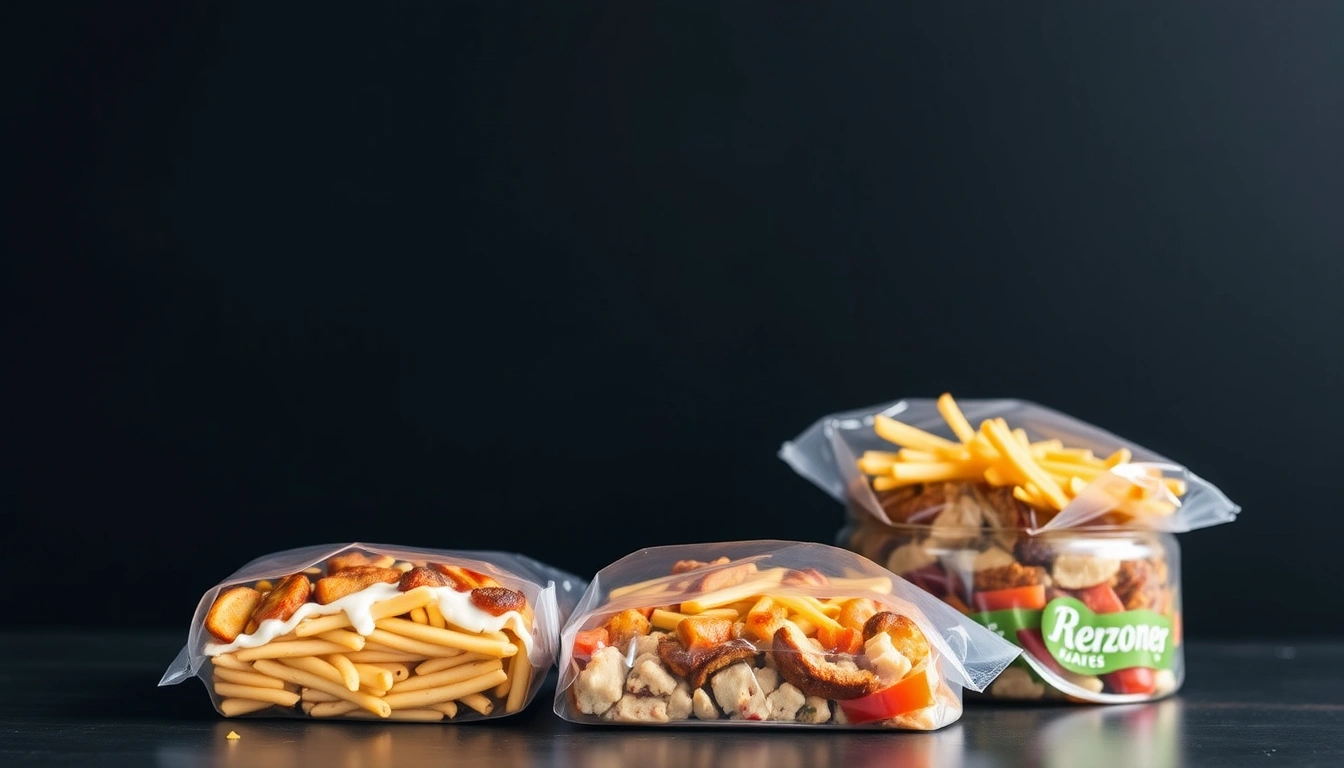
One route buys you convenience after the birth; the other gives you freshness and texture. That is the split. When you only have one prep day, batch-cooked meals are the safer bet because they become a finished dish before freezing. If you like keeping ingredients separate and finishing later, assembly-only meals give you more control.
Batch-cooked meals are things like soups, chili, meatballs in sauce, baked ziti, enchiladas, and casseroles. I’d pick these for postpartum because they are forgiving. When the baby wakes early or you get interrupted mid-prep, the food is still usable. They also reheat with less effort, which matters when you are running on very little sleep.
Assembly-only meals are freezer kits: marinated chicken, taco filling, smoothie packs, breakfast burrito kits, or stir-fry components. These can be excellent, but they ask more of you later. You get the best results when you still have a half-hour and a functioning kitchen brain. Postpartum, that is not always the case. One missing step, and the whole plan goes sideways.
Honest side-by-side
| Criteria | Batch-Cooked Meals | Assembly-Only Meals | Winner for [condition] |
|---|---|---|---|
| Ease after birth | Very high | Moderate | Batch-cooked when exhaustion is the main issue |
| Texture after freezing | Usually reliable | Depends on final cooking | Batch-cooked for predictability |
| Freshness at serving | Good, but cooked ahead | Better if finished later | Assembly-only when you want a fresher result |
| Time on prep day | Longer | Shorter | Assembly-only when prep time is limited |
| Need for cooking skill later | Low | Medium | Batch-cooked for low-stress feeding |
| Portion control | Good | Good | Tie |
| One-handed eating | Strong if served in bowls | Strong for burritos and hand-held items | Assembly-only for handheld meals |
| Chance of freezer failure | Lower | Higher if components are chosen poorly | Batch-cooked for reliability |
My take: batch-cooked meals are the better default for postpartum recovery because they cut down decision-making later. Assembly-only meals are a nice second layer, not the foundation.
Batch-Cooked Meals: Who Should Actually Use This, and Who Shouldn’t
Batch-cooked meals are the safest choice for anyone who wants maximum usefulness with minimum future effort. I’d recommend them for parents who know they will be short on time, short on sleep, and not interested in building dinner from multiple parts while holding a baby.
The upside is practical, not glamorous. A pot of lentil soup, a tray of enchiladas, or a pan of turkey meatballs in sauce can be divided into portions, frozen flat in containers, and reheated without drama. These meals are usually softer, which is helpful after delivery. They also travel well to another adult in the house who may be helping, because a labeled container is easy to hand off.
Their weakness is sameness. Make six containers of one stew and, by day four, it can feel like a gray fog. They also take longer on the front end, which can be too much if your prep window is tiny.
I would skip batch-cooked meals if you hate leftovers or you know you need more variety to keep eating. They are also not ideal if your only freezer space is a small drawer and you don’t want a stack of containers taking over your life. In that case, a few assembly-only meals may fit better.
The exact user profile I’d match to batch-cooked meals is this: someone who can cook once, label clearly, freeze in portions, and wants the easiest possible food later. If that sounds like your postpartum season, this is the lane I’d stay in.
Cost matters too. A homemade batch of soup or chili often comes out cheaper than repeated takeout, especially when it yields 6 to 10 servings. For a quick budget check, compare the cost of one cooking session with three or four delivery meals. For many households, that difference alone makes easy make-ahead freezer meals postpartum recovery worth the effort.
Assembly-Only Meals: The Specific Situations Where It Wins
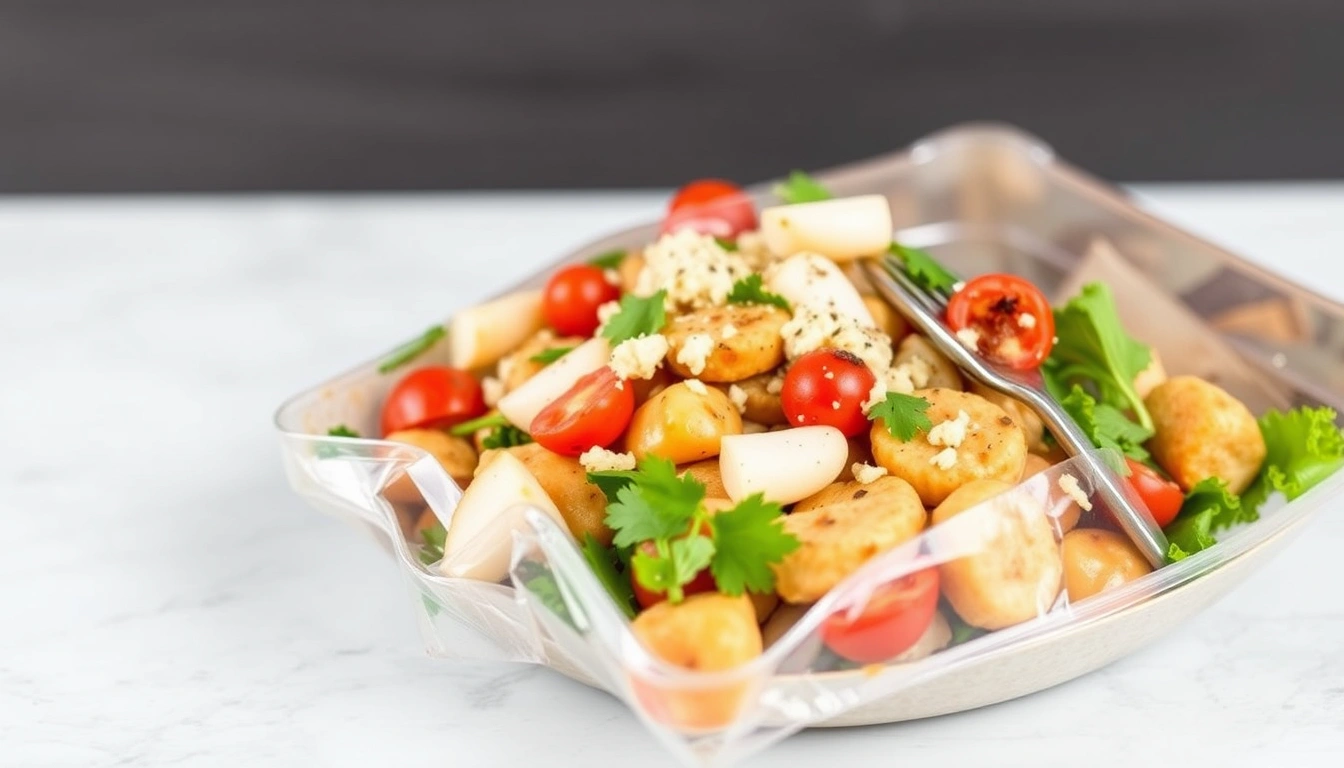
Assembly-only meals win when you want control, variety, or a fresher finish. I’d use them if you still have help in the kitchen, or if you want a few meals that feel more like “real cooking” without starting from zero later.
The best versions are simple: breakfast burritos built with scrambled eggs, cheese, beans, and cooked vegetables; marinated shredded chicken ready for tacos; smoothie packs with fruit and oats; freezer meatballs; uncooked dumplings or potstickers; and freezer-friendly sandwich kits. These let you keep texture better than many fully cooked dishes.
Their strength is flexibility. You can season one batch three different ways, then decide later whether it becomes tacos, rice bowls, or soup. That matters in postpartum recovery because appetite can be unpredictable. One day you may want soft soup. The next day you may want something you can eat standing up with one hand.
The downside is obvious: you still have to finish the meal later. That is fine when the house is calm. It is not fine when the baby is screaming, you have no clean pan, and your brain is running on fumes. Assembly-only meals also punish sloppy planning. Freeze a burrito with wet fillings, and it can turn gummy. Don’t wrap portions tightly, and freezer burn shows up fast.
I’d recommend assembly-only meals for parents who have a partner, relative, or friend who can help with the final step, or for anyone who wants a few lower-effort options that feel less repetitive. They are not my first choice for a fully exhausted first week home.
For price, assembly kits can be cheaper than takeout but sometimes cost a little more than fully cooked bulk meals because you are buying a few separate components. Burrito kits and smoothie packs are worth it when they save time, not because they are the lowest-cost route. That is also where freezer meal kits differ from batch cooking as a strategy.
The Honest Side-by-Side
If I had to choose only one approach for postpartum recovery, I’d choose batch-cooked meals. They are the closest thing to self-serving food when you need it most. Assembly-only meals are useful, but they require a functioning future version of you, and postpartum life is rarely that orderly.
Here is the clean comparison that actually changes the decision:
| Criteria | Batch-Cooked Meals | Assembly-Only Meals | Winner for [condition] |
|---|---|---|---|
| Reheat simplicity | Usually just heat and eat | Often needs final cooking step | Batch-cooked for tired parents |
| Flavor flexibility | Moderate | High | Assembly-only for people who want variety |
| Best texture after freezing | Soups, stews, casseroles hold well | Handheld items can stay better if wrapped well | Depends on the meal type |
| Prep-day stress | Higher upfront | Lower upfront | Assembly-only if prep energy is limited |
| Meal-time effort | Low | Medium | Batch-cooked for recovery weeks |
| Good for shared caregiving | Very good | Good | Batch-cooked when others are feeding you |
| Portability | Excellent in containers | Excellent for handhelds | Assembly-only for grab-and-go eating |
| Risk of disappointment | Lower | Higher if assembly instructions are ignored | Batch-cooked for reliability |
That is why I favor a base of cooked meals, then a few assembly kits for variety. It gives you coverage without adding stress.
Easy Freezer Meal Ideas I Would Actually Put on a Postpartum List
Given everything above, I’d build a postpartum freezer list around foods that are soft, familiar, and forgiving. My short list would include:
- Lentil soup
- Chicken noodle soup
- Turkey or beef chili
- Baked ziti or lasagna
- Enchiladas with mild sauce
- Meatballs in marinara
- Mac and cheese with added vegetables or chicken
- Breakfast burritos
- Egg bites or breakfast sandwiches
- Pulled chicken for rice bowls or tacos
These are not fancy, and that is the point. They all have a base that freezes well, reheat without much judgment, and can be portioned into single servings or family-size trays.
For recovery, I would prioritize meals with broth, sauce, or moisture. Dry casseroles can work, but only if you know your reheating method. I would also keep a few plain sides in the freezer: cooked rice, mashed sweet potatoes, roasted vegetables that are not too watery, and bread or rolls that can be warmed quickly.
A common mistake is making only “healthy” meals that sound virtuous but don’t satisfy. If you’re hungry after birth, you need food that feels substantial. That may mean cheese, pasta, eggs, or a little extra salt. The right choice is the one you will actually eat.
If you want to compare options before you cook, use this list as a starting point and mix in one or two high-protein freezer meals rather than trying to make everything from scratch.
Our Verdict: Which One to Choose and Why
Choose batch-cooked meals if your main problem is exhaustion and you want dinner to require almost nothing from you later. Choose assembly-only meals if you have help available, want more variety, and are willing to do a little work at meal time. Neither if your recovery diet is restricted by medical instructions, your freezer is already full, or the meal prep itself would become a source of stress.
My recommendation is simple: start with batch-cooked meals as your backbone, then add a few assembly-only options for variety. That mix gives you reliable food on the hardest days and keeps you from getting bored.
When to Reconsider This Choice Entirely
There are a few situations where I would change the plan

Related Posts

High-Protein Postpartum Breakfast Ideas for Busy New Moms
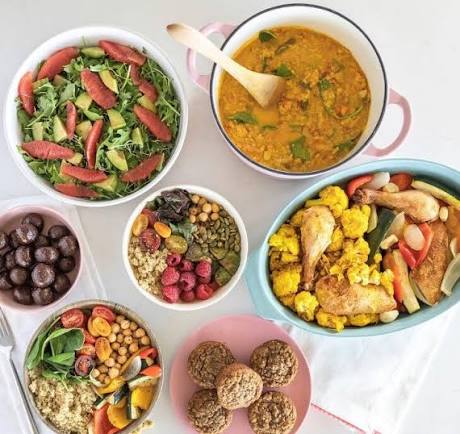
Best Foods to Eat After Birth for Healing and Energy
