Postpartum Meal Planning and Food Choices — The Complete Guide
Last updated: August 10, 2026
Quick Answer: For postpartum meal planning food choices — complete guide, start with 3 anchors daily: protein, fiber-rich carbs/produce, and portable snacks. Usually, that looks like 2 to 3 meals plus 2 to 4 snacks you can actually eat, finish, and keep down on a chaotic day. Want the short version? Make food easy to eat, easy to finish, and hard to skip. I’d center warm, protein-heavy meals, fiber, fluids, and grab-and-go snacks that still work one-handed, cold, or during interruptions. Not a perfect “post-baby diet.” No. The aim is recovery, energy, milk production support if you are breastfeeding, and fewer moments when hunger turns into tears, dizziness, or a drive-thru run.
Key Facts / Key Takeaways
– 3 anchors matter most: protein, fiber-rich carbs/produce, and portable snacks.
– 2 to 4 snacks a day can be more realistic than formal meals in the newborn phase.
– Low-prep usually beats high-prep in the first several weeks postpartum.
– Freezer meals work best when they contain moisture, fat, and a reheatable texture.
– A practical plan beats a perfect plan because postpartum schedules change by the hour.
I write about postpartum recovery, family meal systems, and practical nutrition, so I look at this topic — postpartum meal planning food choices — complete guide — the same way I’d judge any high-stakes routine: what helps on a rough day, what sounds healthy but falls apart by 5 p.m., and what creates more work than it saves. Honestly, that last part matters more than people admit.
The Real Difference Between Planned Meals and “We’ll Figure It Out”
Planned postpartum meals win because they cut out decisions right when decisions feel impossible. The real difference is simple. Not “healthy versus unhealthy.” Not “organized versus lazy.” It’s whether your next meal already exists before you’re hungry enough to eat cereal over the sink.
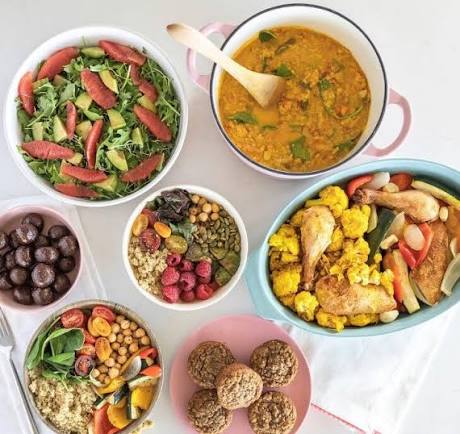
A postpartum plan is not a recipe list. It’s a system for making sure the food in your house fits the way you’ll actually live for the next several weeks. So think meals that reheat well, snacks you can eat with one hand, and backup options for the days when baby decides your lunch break is now 90 seconds long. Brutal, but true.
The common mistake is trying to eat the way you did before birth. That usually falls apart for three reasons. First, you may have less time. Second, appetite can swing hard in either direction. Third, your body may need different support: more fluid, more protein, more fiber, and enough calories to recover. If you are breastfeeding, food intake matters even more because long gaps without eating can leave you drained fast, even if milk supply itself does not drop from one missed meal.
The other mistake is overplanning with recipes no one can finish. A beautiful menu can still be a bad postpartum plan if it depends on fresh herbs, multiple pans, or a clean kitchen. I’d rather see six boring meals a family will actually eat than one ambitious spread that gets abandoned after day two.
Here’s the practical rule I use: plan around three anchors.
- Protein at most meals to help with fullness and tissue repair.
- Fiber-rich carbs and produce to help bowel movements, which can be a real issue after birth.
- Portable snacks for the times when a meal stops being a meal and turns into a few bites between interruptions.
That’s the backbone. Everything else is preference.
The Real Difference Between “Nourishing” Food and “Perfect” Food
“Nourishing” wins here — and by that I mean food that is useful, familiar, and easy to tolerate, not food that looks pristine on a plate. Perfect postpartum eating is mostly a trap. It asks too much of a body and schedule that are already under pressure.
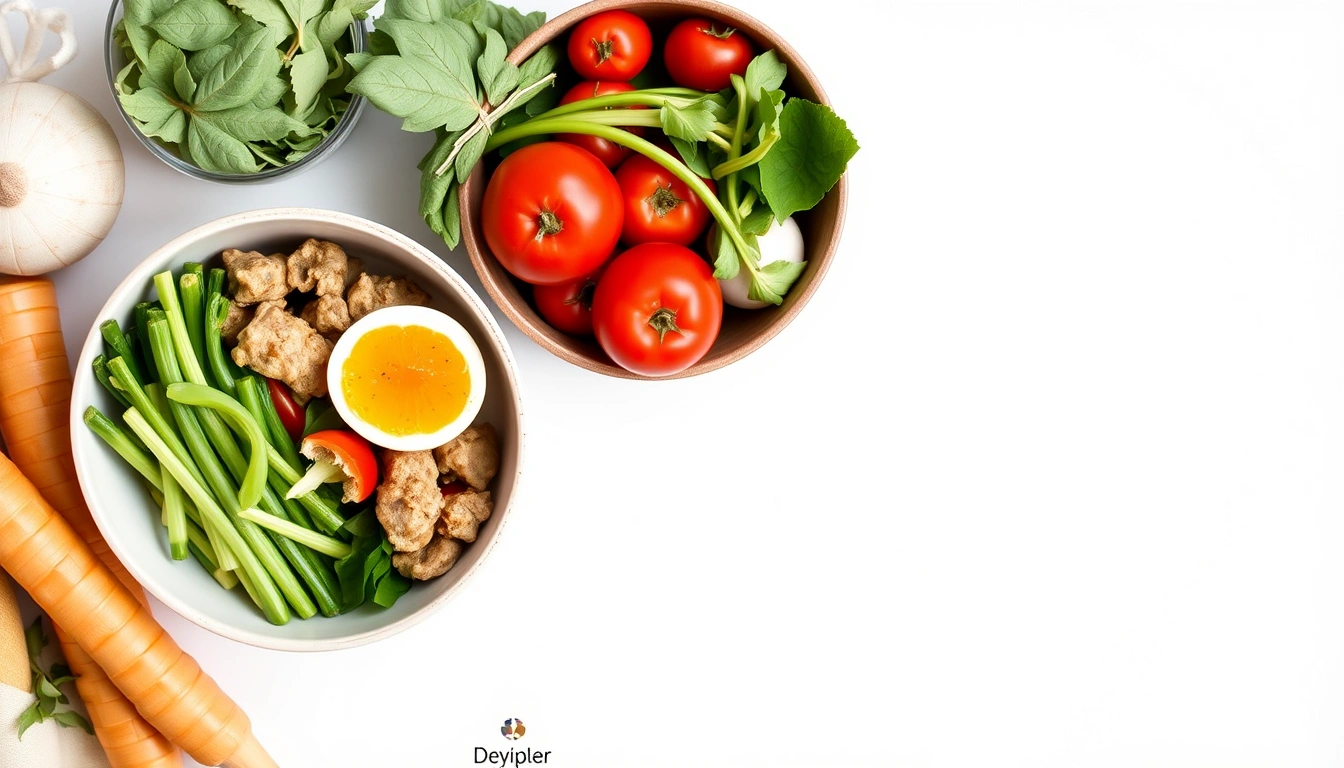
The best postpartum food choices are often the ones that let you keep eating without making your stomach, schedule, or energy worse. Usually, that means a mix of hot and cold foods, soft textures, modest seasoning if nausea is still around, and simple combinations you can throw together quickly. Think soup with bread, yogurt with fruit and oats, eggs with toast, rice bowls with beans and vegetables, oatmeal with nut butter, pasta with meat or lentils, and roasted vegetables that can become several meals.
What helps one person can backfire for another. A giant salad may look ideal, but after birth it can be too hard to digest, too low in calories, or just too annoying to assemble. Very spicy food can be wonderful for some people and a heartburn problem for others. Heavy fried food may be comforting in small amounts and miserable in larger ones. I’d treat this as a tolerance question, not a morality question; if you’re unsure, ask a clinician or registered dietitian. A 2022 review in Nutrients emphasizes that postpartum nutrition needs are individualized, especially when breastfeeding, recovery, and appetite changes overlap.
The honest win of nourishing food is stability. When meals have enough protein and carbs, people often report fewer energy crashes. When meals include fiber and fluids, constipation is less likely to become part of the recovery story. When foods are familiar, you’re more likely to eat them before hunger gets ugly.
The downside? “Nourishing” can turn into a vague word people use to justify anything. It should not mean expensive, trendy, or complicated. It should mean practical support for recovery.
Who should use this approach? Almost everyone in postpartum life, especially if you feel mentally foggy, physically sore, or too busy to cook. Which people should not rely on it alone? Anyone with specific medical needs, swallowing issues, severe nausea, food intolerances, gestational diabetes follow-up, or a history of disordered eating that makes food rules dangerous. In those cases, I’d want individual guidance from a clinician or registered dietitian.
The Real Difference Between High-Prep Meal Plans and Low-Prep Meal Plans
Low-prep meal planning wins for postpartum hands down. That’s the choice I’d make for most people, because postpartum life punishes complexity. A plan that needs multiple chopping sessions, perfect timing, or a spotless kitchen usually loses to exhaustion.
High-prep meal plans can look smarter on paper. You batch-cook four recipes on Sunday, portion everything into containers, and feel set for the week. The upside is real: when it works, you get predictability and less daily cooking. If you have help, if you like cooking, or if you recover well from the first postpartum week, a prep day can be useful.
But postpartum schedules are not stable enough for many elaborate systems. Baby feeding may run long. Pain may flare. Sleep may be fragmented. Plans that depend on “I’ll just spend two hours meal prepping” can become guilt machines. Then the food spoils or gets eaten by other people first. That math stops working fast.
Low-prep meal planning is better when you build meals from components instead of recipes. For example: rotisserie chicken, microwavable rice, bagged salad, frozen vegetables, hummus, fruit, eggs, tortillas, yogurt, and soup. That gives you lots of meals without a lot of prep. It also leaves room for changing hunger levels. If you need more food, add toast, crackers, or cheese. If you need less, eat the main item and save the rest.
The trade-off is repetition, and repetition can get old if you never rotate the base. The fix is not more recipes. It’s more mix-and-match pieces.
Who should actually use low-prep planning? New parents who are sleep-deprived, recovering from a vaginal birth or C-section, feeding frequently, or trying to keep a household fed without becoming the household chef. Which people should skip it as the only strategy? People who enjoy batch cooking, already own a freezer full of prepared meals, or have reliable help and want to cook bigger runs of food in advance. Even then, I’d still keep some low-prep backup food on hand.
The Honest Side-by-Side
Usually, the cleanest postpartum meal plan blends both styles; still, if you’re picking a main approach, low-prep gives you more forgiveness. High-prep gives you more structure. The right choice depends on your energy, support, and tolerance for repetition.
| Criteria | High-Prep Meal Plan | Low-Prep Meal Plan | Winner for [condition] |
|---|---|---|---|
| Daily effort | Front-loads work into one or two cooking sessions | Spreads work into tiny, manageable tasks | Low-prep for sleep-deprived parents |
| Consistency when baby is unpredictable | Breaks down if the schedule shifts | Still works when meals happen in fragments | Low-prep for early postpartum weeks |
| Food variety | Can be better if you enjoy cooking many dishes | Can feel repetitive unless you rotate components | High-prep for people who get bored easily |
| Recovery support | Can support recovery well if meals are balanced | Can support recovery well with smart ingredient choices | Tie |
| Cost control | Often better if it reduces takeout | Also good if you rely on simple staples | Tie, depending on shopping habits |
| Risk of waste | Higher if meals go uneaten | Lower if you use flexible ingredients | Low-prep for unpredictable appetite |
| Need for kitchen time | Higher up front | Lower overall | Low-prep for C-section recovery or limited mobility |
| Best for support from others | Works well if someone else can cook alongside you | Works even if support is limited to grocery runs | Low-prep for solo parenting stretches |
| Best for freezer use | Excellent if you freeze full meals | Excellent if you freeze parts like bread, muffins, and proteins | Tie |
| Psychological ease | Can feel calming if routines soothe you | Can feel lighter because it demands less perfection | Low-prep for anxious or overwhelmed parents |
My read of that table is simple: if you’re recovering in the real world, not in a perfectly staffed kitchen, low-prep wins more often. High-prep only beats it when you know you’ll actually have the time and energy to execute it without resentment.
The Real Difference Between Meals That Freeze Well and Meals That Only Taste Good Fresh
Freezer-friendly meals win for postpartum planning because they protect you from bad days. That’s the point. A meal that reheats well is worth more than a glamorous dinner that tastes best only if eaten hot off the stove at the exact right minute.
The best freezer foods often have moisture, fat, and a texture that survives reheating. Think soups, stews, chili, cooked grains, casseroles, meatballs, shredded chicken, burritos, lasagna, muffins, and breakfast sandwiches. These are not fancy, but they are useful. They also make it easy for friends or family to help you by dropping off food that can be frozen instead of forcing you to host them or eat on the spot.
Meals that only shine fresh are often the ones with crisp textures or delicate greens. A salad with dressing, a fried rice with perfect texture, a seared fish dish, or a sandwich that goes soggy can still be great food, but they are fragile. In postpartum life, fragile food is a liability unless someone else is making it for you right then.
The strength of freezer meals is not just convenience. It’s decision relief. When you open the freezer and see dinner already solved, you avoid the late-afternoon spiral where everyone is hungry and the easiest option is expensive takeout. The drawback is obvious: freezer food can feel monotonous, especially if every meal is beige. It can also be too easy to rely on unless you keep fresh fruit, vegetables, and a few simple salads or slaws around for balance.
I’d use freezer meals as insurance, not as the whole plan. The ideal postpartum pantry is one where frozen meals, shelf-stable snacks, and fast fresh foods all coexist.
The Real Difference Between Snack-Focused Eating and Full Meals
Snack-focused eating wins in the first weeks after birth if meals keep getting interrupted. That’s the honest truth. Many parents do not need three formal meals. They need a way to keep blood sugar steady, hunger from getting extreme, and energy from collapsing between feeds, naps, and pain management.
Because breastfeeding can leave some parents ravenous, the best postpartum snacks are not dainty. They should combine protein, carbs, and sometimes fat. Good examples include Greek yogurt with fruit, cheese and crackers, peanut butter on toast, hummus with pita, hard-boiled eggs, trail mix, oatmeal cups, smoothie ingredients, turkey roll-ups, bananas with nut butter, and leftovers in small containers. If you are breastfeeding, snacks can be the difference between “I feel okay” and “I am suddenly ravenous and shaky.”
The advantage of snack-focused eating is flexibility. You can eat in five minutes, one-handed, while standing, sitting, or pacing. The downside is that snack food can turn into random grazing if you do not have enough structure. A day full of crackers and granola bars may keep you moving, but it will not always keep you satisfied.
So I would not use snack-focused eating as an excuse to skip real meals forever. It should bridge you through the messy parts of the day, not replace all sitting-down food. If you can, build one or two actual meals into the day and then let snacks handle the rest.
Who is this best for? Parents in the newborn phase, especially if they are feeding often or have no reliable meal break. Which people should be cautious? Anyone who notices that grazing makes them feel hungrier, not better, or anyone with blood sugar issues who needs more structured eating. In those cases, a clinician or dietitian can help shape the pattern safely.
The Real Difference Between “What Sounds Healthy” and “What Actually Helps”
What actually helps wins. I know that sounds blunt, but postpartum is not the time to chase food ideals that make life harder. A perfectly macro-balanced meal that sits in the fridge untouched helps less than warm leftovers eaten in the car seat beside a sleeping baby.
The biggest generic article mistake is pretending the best foods are the same for everyone. They are not. Postpartum food choices should be driven by recovery, appetite, bowel comfort, hydration, sleep loss, and feeding method.
A few practical truths matter here:
- Protein helps because it supports fullness and recovery.
- Fiber helps because constipation is common after birth.
- Fluids help because dehydration makes everything feel worse.
- Carbs help because you need usable energy fast.
- Comfort matters because the best meal is often the one you will finish.
That means oatmeal is not “too simple.” Soup is not “lazy.” Eggs are not “just breakfast.” Rice bowls are not boring if they get eaten. I’d rather see a parent eat the same satisfying lunch for five days than make one new recipe and then survive on coffee.
There are also foods I’d treat carefully, not because they are bad, but because postpartum bodies can be sensitive. Very large servings of highly processed food may leave you sluggish. Heavy caffeine can make sleep and anxiety worse. Alcohol deserves caution, especially if you are breastfeeding or still taking medications, and any guidance there should come from your clinician. If you had blood loss, a complicated birth, hypertension, diabetes, thyroid issues, or digestive concerns, postpartum food choices should be checked against your medical advice, not internet generalities. The CDC notes that breastfeeding parents may need about 330 to 400 extra calories per day, which is one reason simple, repeatable meals matter.
The point is not perfection. The point is removing friction.
Our Verdict: Which One to Choose and Why
Choose low-prep, freezer-friendly postpartum meal planning if you are in the first several weeks after birth, sleep deprived, short on help, or recovering from a birth that makes standing in the kitchen a bad idea. Choose high-prep only if you genuinely have the energy, support, and habit to cook in batches without burning out. Neither if you are dealing with a medical nutrition issue, severe nausea, unsafe weight loss, or postpartum mood symptoms that make eating feel impossible; in that case, call your clinician or a registered dietitian.
My recommendation is straightforward: build a low-prep core and add a small freezer reserve. That combination covers the most common postpartum reality. It gives you food now, food later, and fewer reasons to order something expensive because nobody had the energy to cook. If you love batch cooking, use it as a bonus layer. If you hate it, do not force it.
The best postpartum plan is the one that keeps feeding you when the day goes sideways. That means simple foods, repeatable meals, easy snacks, and enough flexibility to survive interrupted naps, visitors, and the fact that your former dinner routine may be gone for a while.
Exception Scenarios: When the Verdict Flips
There are a few cases where I would change the recommendation.
1. You have unusually strong support at home.
If another adult is handling most of the cooking and cleanup, a more traditional high-prep or full-meal plan can work better because you can capitalize on the help.
2. You genuinely enjoy cooking and find it grounding.
For some people, meal prep feels calming, not burdensome. If that is you, a structured cooking day may support your mental health rather than drain it. The key is to be honest about whether it still feels good at 7 p.m., not just at 10 a.m. with

Related Posts
Easy Make-Ahead Freezer Meals for Postpartum Recovery

High-Protein Postpartum Breakfast Ideas for Busy New Moms