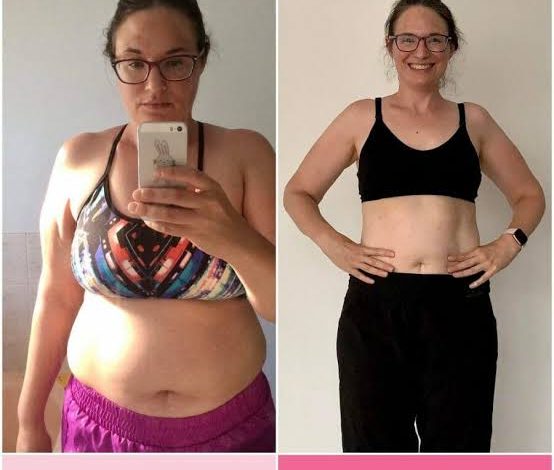
Postpartum Weight Loss Basics — The Complete Guide
Last updated: August 10, 2026
- Postpartum recovery is the priority in the first 6 weeks, and weight loss should not outrun healing.
- A slow pace is usually the safer default: about 0.5 to 1 pound per week after recovery is underway.
- Breastfeeding does not produce one fixed weight-loss pattern; results vary widely.
- If you have a C-section, heavy bleeding, anemia, depression, thyroid concerns, pelvic floor symptoms, or dizziness, talk with a qualified clinician before trying to lose weight.
- The most useful postpartum weight loss basics are regular meals, hydration, gentle movement, and sleep support.
Three to twelve months. That is the honest window for most people. Postpartum weight loss is usually slow, a little messy, and tied to recovery, sleep, feeding, and stress—not just food and exercise. In this postpartum weight loss basics — complete guide, the shortest honest answer is this: put healing and stable habits first, not rapid fat loss, and discuss your own situation with a qualified clinician, especially if you had a C-section, heavy bleeding, blood pressure issues, depression, anemia, thyroid concerns, or pelvic floor symptoms.
I write about health topics with one goal: give readers the answer they can actually use without pretending the body runs on a neat schedule. Honestly, that matters here. The postpartum period is not a normal “get back in shape” phase; it is recovery with a moving target. Not tidy. Not even close.
What Postpartum Weight Loss Actually Is
One decision? No. Postpartum weight loss is a chain of changes: water shifts, blood volume changes, hormone changes, tissue healing, sleep loss, feeding demands, and then, only after that, fat loss. That sequence matters more than people think.
Generic advice often trips over the first few weeks by acting like “bounce back” time. When you are unsure what applies to you, consult a qualified professional. Early postpartum means bruised tissue for some parents, surgical healing for others, pelvic floor strain for many, and a nervous system that may be running on scraps of sleep. The scale can lurch around for reasons that have nothing to do with body fat. Like a weather vane in a storm.
So the better question is not “How fast can I lose weight?” It is “What habits are realistic while I am recovering, feeding a baby, and getting very little rest?” When you are dealing with medical or mental health concerns, ask a clinician before making a weight-loss plan. That one switch changes the whole frame. Speed stops being the point. Stability does.
Breastfeeding gets misunderstood too. Research suggests energy use can rise during lactation, but appetite, sleep disruption, hydration, and stress vary wildly, so the scale does not follow one clean pattern. Some people lose faster while nursing, some lose very slowly, and some hold steady for months. Weird? Sure. But normal.
I think the healthiest frame is this: postpartum weight loss is usually safest when it comes out of recovery-friendly routines, not as a separate project that competes with recovery. When you have questions about your health, talk with a qualified professional.
What matters most in the first months
- Healing from birth
- Eating enough to function
- Hydration
- Sleep opportunity, even if sleep is broken
- Gentle movement as tolerated
- Mood and pain symptoms
When one of those is off, weight loss often gets harder, not easier. And when you are dizzy, weak, faint, short of breath, having severe pain, or struggling emotionally, that is not a “push through it” situation. That is a call to a qualified professional.
The Real Difference Between Quick Weight Loss and Gradual Loss
Quick postpartum weight loss and gradual postpartum weight loss are not just two paces. They are two different strategies, and I would usually pick gradual loss because it respects recovery better. Quick loss can look attractive, but it brings trade-offs that matter more after childbirth than they would at other times.
Usually, quick loss means a large calorie cut, aggressive exercise, or both. In the postpartum setting, that can collide with the exact things a new parent needs most: energy, milk supply support if nursing, tissue repair, and mood stability. Studies on postpartum and lactation nutrition generally suggest that too much restriction can be hard to sustain and may worsen fatigue, though the effect varies from person to person and by feeding method. The practical result is not abstract. It shows up as feeling more run-down, more irritable, more likely to skip meals, and less able to recover from the day.
Gradual loss moves slower, yes, but it tends to be more livable. It leaves room for hunger cues, gives the body space to recover, and makes room for the unpredictable parts of newborn life. I prefer it because it is easier to keep going when sleep is broken and routines are messy. That matters more than motivation.
The downside of gradual loss is obvious: it can feel maddeningly slow. Some readers want visible change fast, and gradual change can be hard to trust when the mirror, the scale, and the photo roll all seem to disagree. That frustration is real. But in postpartum care, “fast” often costs more than it gives.
Quick Loss: Who Should Actually Use This (and Who Shouldn’t)
Quick postpartum weight loss should be rare, not routine. I would only consider it appropriate in narrow situations where a clinician has already said the person is medically stable, recovery is uncomplicated, feeding demands are clear, and there is a specific health reason to move carefully but deliberately.
The strongest case for quicker loss is usually not cosmetic. It is when a clinician is watching a medical issue where weight loss is part of broader risk management, and even then the plan should be individualized. When that sounds like your situation, talk with your clinician before changing intake or exercise. That is not something I can prescribe here, and it should not be improvised from internet advice.
The downside is substantial. Fast loss tends to increase the chance of rebound eating, low energy, and a feeling that the body is being pushed before it is ready. If someone is breastfeeding, the margin for error can be smaller. If someone has had a C-section or significant tearing, aggressive exercise or a steep calorie cut can also get in the way of healing. If someone is under high stress, quick loss often fails because hunger and fatigue become louder than intention.
Who should skip this? Most people in the early postpartum months. I would especially skip quick loss if there is ongoing bleeding beyond what a clinician considers expected, wound healing concerns, pelvic pressure, urinary leakage, pain with movement, significant mood symptoms, or a history of disordered eating. Those are not small caveats. They are flashing red lights.
The honest version is this: quick loss may look efficient on paper, but postpartum life punishes inefficiency everywhere else. Sleep debt and recovery debt add up. I would not pile weight-loss debt on top.
Gradual Loss: The Specific Situations Where It Wins
Gradual postpartum weight loss wins for most readers because it fits real life. It works better when sleep is chopped up, schedules are unstable, and the body is still doing invisible repair work.
This approach is strongest for parents who want something sustainable rather than impressive. When your days are shaped by feeds, naps, pumping, school drop-offs, recovery walks, and the occasional meal eaten cold over the sink, gradual loss is simply more realistic. It lets you build routines that survive a bad night. No drama. Just staying power.
Research and clinical guidance around postpartum recovery generally support a slow return to exercise and a balanced eating pattern rather than aggressive restriction. That does not mean “do nothing.” It means mild, repeatable habits tend to be more useful than hard rules. A daily walk, protein at meals, a predictable snack, water within reach, and a rough bedtime routine can matter more than any dramatic plan.
The weakness of gradual loss is patience. It can feel too gentle when the body has changed in ways that are emotionally loud. It also demands consistency in a season that rarely offers it. But that is exactly why it is the better choice: it can absorb interruptions without collapsing.
Who wins with gradual loss?
– Parents in the first postpartum months
– Breastfeeding or pumping parents who need steadier energy
– People healing from C-section, tearing, or pelvic floor symptoms
– Anyone with sleep deprivation
– Anyone who has failed with strict diets before
Who should be cautious? People who need close medical weight management for another condition. Even then, gradual is still often the safer default, but it should be shaped with professional input.
The Honest Side-by-Side
Here is the decision in plain view. I would choose gradual postpartum weight loss for most people because it has fewer costs and more staying power. Quick loss only makes sense when recovery is uncomplicated and a qualified professional has helped set the pace.
| Criteria | Quick Loss | Gradual Loss | Winner for postpartum recovery |
|---|---|---|---|
| Energy needs | Often harder to meet | More compatible with daily fatigue | Gradual loss |
| Recovery support | Can crowd out healing | Leaves more room for healing | Gradual loss |
| Breastfeeding tolerance | More likely to feel restrictive | Usually easier to sustain | Gradual loss |
| Mood and stress load | Can feel punishing | Less pressure, less rebound risk | Gradual loss |
| Speed of visible change | Usually faster at first | Slower, more uneven | Quick loss |
| Risk of over-restriction | Higher | Lower | Gradual loss |
| Fit with broken sleep | Poor | Better | Gradual loss |
| Ease of maintaining | Often difficult long term | More maintainable | Gradual loss |
| Best for someone with complications | Usually not a fit | More adaptable, but still needs guidance | Gradual loss |
The table makes the main point clear, but I want to say the trade-off out loud: quick loss can feel satisfying early because the scale moves. That can be emotionally persuasive. It is also the reason people get pulled into a cycle of cutting too hard, feeling awful, and then abandoning the plan. Gradual loss gives up the thrill and keeps the usable parts.
When your life right now is organized around a newborn, “usable” is the metric that matters.
Our Verdict: Which One to Choose and Why
Choose gradual postpartum weight loss if you are still healing, sleep is broken, or you are feeding a baby and need your energy to stay steady. Choose quick loss only if a qualified professional has told you that your situation is medically appropriate for a faster pace and you are not dealing with recovery complications. Neither if you are still having significant pain, heavy bleeding, dizziness, mood symptoms, or signs that eating less would make you worse.
That is the call I would make for almost everyone reading this. Gradual wins because it usually respects the actual conditions of postpartum life.
I am not saying speed never matters. I am saying the body does not care about deadlines, and postpartum bodies are often already under strain. When people try to force faster results, they often end up fighting hunger, exhaustion, guilt, and a recovery timeline they cannot control. Gradual change is less dramatic, but it is much more likely to survive contact with real life.
The basic pattern I would trust is simple:
– Eat regular meals that include protein, fiber, and fat
– Keep easy snacks available
– Drink enough fluid to avoid running on empty
– Walk or move in ways that do not increase pain
– Wait for medical clearance or individualized guidance before pushing harder exercise after birth
– Get help for pelvic floor, mood, or pain problems instead of using weight loss as a substitute for care
This is the part many articles skip: postpartum weight loss is not just about reducing intake. It is also about reducing friction. When the plan makes you skip meals, dread movement, or obsess over every fluctuation, it is probably too tight.
The Honest Side of Food, Exercise, and Sleep
When I had to name the three biggest forces behind postpartum weight change, I would pick food patterns, movement, and sleep. The frustrating part is that sleep is often the least controllable of the three.
Food matters, but not in the simplistic “eat less” way people often assume. In the postpartum period, under-eating can backfire because it leaves you too depleted to make good choices later. A steadier pattern usually works better than a heroic one. That means meals that keep you full enough to function, not just “healthy” meals that leave you hungry an hour later. When someone is breastfeeding, hydration and adequate intake matter even more, though the right amount varies by person and should be discussed with a clinician or dietitian if there are concerns.
Exercise matters too, but postpartum exercise is not a punishment for pregnancy. It is a tool for function, mood, and gradual conditioning. Early on, that may mean walks, mobility work, or rehab-focused movement rather than intense sessions. When you have pelvic heaviness, leaking, pain, or a feeling that something is “not right,” that is a sign to slow down and get evaluated, not to push harder.
Sleep may be the biggest wild card. Poor sleep can affect appetite, cravings, patience, and the ability to plan meals. It can also make every bit of normal body change feel bigger than it is. You do not need perfect sleep to make progress, but you do need enough structure that exhaustion does not run the whole show.
A generic article often tells readers to “be consistent.” That is too vague to help. I would be more specific: make the easiest good choice the default choice. Keep food visible, workouts short enough to complete, and expectations modest enough to survive a chaotic day.
Exception Scenarios: When the Verdict Flips
There are a few cases where my overall recommendation changes.
Since a clinician may be managing a medical condition where weight loss is part of treatment planning, the pace and method need to come from that plan, not from general postpartum advice. In that situation, the medical priority may override the usual gradual-default approach.
Second, when someone is many months postpartum, fully recovered, no longer breastfeeding, and has a stable routine, faster progress may be more realistic than it is in the first weeks. Even then, I would still avoid extreme restriction. “Faster” should not mean harsh.
Third, when someone has a history of disordered eating, body-image spirals, or anxiety around food, the safer move may be to pause weight-loss goals entirely and work on regular eating, sleep, and support first. In those cases, any active weight-loss push can become more harmful than helpful.
Fourth, when postpartum symptoms are still active—pelvic floor symptoms, depression, severe fatigue, headaches, pain, or ongoing bleeding—the goal should shift away from weight loss until those issues are addressed. I would consider that a hard stop, not a delay.
This is the part I think gets ignored too often: a postpartum body can tell you “not now” before it tells you anything about “how much.” That message deserves respect.
What a Good Postpartum Plan Actually Looks Like
A good postpartum weight plan is boring in the best way. It is repeatable, gentle, and not built on punishment. It usually looks more like support than strategy.
I would look for these signs:
– Meals that are easy to assemble when tired
– Snacks that keep you from getting ravenous
– Movement that does not worsen pain
– Expectations that fit interrupted sleep
– A willingness to adjust if feeding, mood, or recovery changes
– Professional input when symptoms are complicated
I would avoid plans that depend on flawless tracking, very low intake, long workouts, or dramatic rules. Those plans often fail because postpartum life is not built for precision. It is built for interruptions.
A lot of people ask for “the fastest way” to lose postpartum weight. I think that is the wrong target. The better question is: What approach will still make sense when the baby has a rough night, I miss a meal, or I am too tired to think? That is the plan worth keeping.
Final Take
Postpartum weight loss basics are not about chasing your pre-pregnancy body as fast as possible. They are about giving your body enough support to heal while the weight, if it changes at all, changes in a way you can live with.
My recommendation is clear: choose gradual loss, not quick loss, for most postpartum situations. It fits recovery better, it is easier to maintain, and it carries fewer downsides. Quick loss has a place only in narrow, medically guided cases. When your body is still healing, when sleep is broken, or when feeding is demanding, slowing down is not failure. It is the smarter move.
And when you are unsure where you fit, speak with a qualified professional about your own situation. That is the safest next step, and in postpartum care, safe is not a small thing.