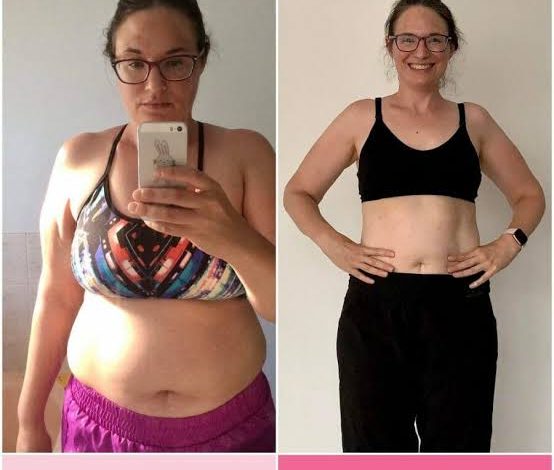
Why Postpartum Weight Loss Is Different: Hormones, Healing, and Breastfeeding
Last updated: August 10, 2026
- – The first 6 weeks postpartum are a common minimum recovery window, but many people need longer.
- This is why I do not think postpartum weight loss should be treated like a sprint.
- – Hormones, healing, sleep loss, blood loss, and breastfeeding can all affect appetite and energy.
- – Breastfeeding may increase energy needs, but results for weight loss vary.
Quick Answer: Postpartum weight loss is different because your body is recovering from pregnancy and birth, and that recovery can last at least 6 weeks and often longer; if weight, bleeding, mood, or pain feels off, talk with a qualified clinician before you try to “push through.”
Key Facts
– Postpartum weight loss is recovery first, weight change second.
– Hormones, healing, sleep loss, blood loss, and breastfeeding can all affect appetite and energy.
– The first 6 weeks postpartum are a common minimum recovery window, but many people need longer.
– Breastfeeding may increase energy needs, but results for weight loss vary.
– If you have heavy bleeding, severe pain, faintness, or mood symptoms, get medical advice.
– A gradual plan is usually safer than aggressive dieting in the early postpartum months.
A body that has just been through pregnancy and birth is not starting fresh. Healing, sleep loss, blood loss, shifting hormones, and often breastfeeding are all in play at once. The real reason postpartum weight loss is different is not that the scale suddenly matters more, but that everything around it does. As someone who writes about maternal health with a focus on practical, medically careful guidance, my first advice is plain: if your weight, bleeding, mood, or pain feels off, talk with a qualified clinician about your own situation before you try to “push through.”
The Real Difference Between Postpartum Weight Loss and Regular Weight Loss
Postpartum weight loss is not just “weight loss after a baby.” Recovery happens to include changes in body weight. That shift matters because habits that work fine in ordinary weight loss can feel punishing or flat-out useless right after birth.
In a non-postpartum setting, calorie balance is usually the main issue. After childbirth, though, the body is also handling tissue repair, uterine involution, fluid shifts, milk production for some parents, and the aftereffects of broken sleep. Clinical guidance from obstetrics and lactation organizations points to those factors as real influences on appetite, energy, hunger cues, and readiness for exercise or dietary restriction.
This is why I do not think postpartum weight loss should be treated like a sprint. Better question: what supports recovery while allowing weight to settle where it settles? For some people, that means barely trying to lose weight at first. For others, it means making a few careful changes once the body is clearly past the immediate healing stretch.
Generic articles often miss the messiness. There is no fixed timer. A cesarean birth, a severe tear, anemia, pelvic floor symptoms, thyroid changes, postpartum depression, and breastfeeding can all change what “reasonable” looks like. If someone wants a one-size-fits-all plan, I would push back hard. Postpartum is where cookie-cutter advice causes the most guilt and the least progress. Ugly trade-off. Real one.
Hormones: Why Your Appetite and Energy Feel Unfamiliar
Hormones are one big reason postpartum weight loss can feel odd. After birth, estrogen and progesterone fall fast. Prolactin rises if you are breastfeeding. Oxytocin, stress hormones, and thyroid hormones may also shape how you feel day to day. Clinical sources describe this period as major endocrine adjustment, not a simple “bounce back” phase.
Practically speaking, hunger may stop behaving the way it used to. Some people feel ravenous, especially with breastfeeding or poor sleep. Others forget to eat until they crash. Either way, appetite is not a tidy signal in the early postpartum months. Cravings, irregular meals, and emotional eating can show up even in people who once felt very controlled around food.
Here is where generic advice falls apart. “Just eat less” ignores the fact that under-eating can worsen fatigue, irritability, and recovery. “Just listen to your body” can be just as unhelpful when sleep deprivation scrambles the signals. A steadier route works better: regular meals, enough protein and fiber to help satiety, and enough total food to support recovery and milk production if breastfeeding is part of the picture. General nutrition guidance, yes — not a prescription.
Hormonal shifts can also blur the line between normal postpartum changes and something that needs medical attention. If weight retention comes with intense fatigue, hair loss that seems extreme, heat or cold intolerance, palpitations, or mood changes, a clinician may need to rule out thyroid issues or other postpartum conditions. I would not blame willpower when the body is clearly sending mixed messages.
Breastfeeding: Why It Can Help, and Why It Can Also Stall Weight Loss
Breastfeeding is often sold as a weight-loss shortcut. Honestly, that is too neat. Yes, it can help some parents use more energy because milk production takes energy, but the real-world results vary a lot, and research does not show a universal, dramatic effect. LactMed notes that milk production changes maternal energy needs, but the effect on weight is not consistent for everyone.
For an early postpartum plan, breastfeeding can fit well if the goal is the most conservative, body-respecting approach. It often nudges people toward regular eating, frequent hydration, and a slower pace of change. For many parents, that slower pace is the whole point. It lowers the odds of aggressive dieting while healing is still underway. It can also support bonding and infant feeding goals, which matter more than a number on a scale.
But there are honest downsides. Hunger can jump. Some parents feel worn down by the constant cycle of feeding, pumping, and scheduling. When sleep is poor, food choices may get messier. And if someone cuts calories too hard while breastfeeding, milk supply may be affected for some individuals, according to lactation guidance from the CDC and AAP. That does not mean every calorie change hurts supply; it does mean caution is smart.
So who should treat breastfeeding as part of a postpartum weight-loss plan? Parents who are breastfeeding and want a gradual, recovery-first path, not a fast makeover. Who should not rely on it? Anyone expecting breastfeeding to make weight vanish without other changes, or anyone already dealing with supply issues, severe fatigue, or a history of disordered eating. In those cases, nourishment and professional guidance come before weight goals. Ask a lactation consultant or clinician if you are unsure.
The Honest Side-by-Side
If I had to put postpartum weight loss next to standard weight loss in plain language, I would put it this way: recovery should lead, and weight loss should follow only if the body is ready.
| Criteria | Postpartum weight loss | Standard weight loss | Winner for postpartum recovery |
|---|---|---|---|
| Primary goal | Healing first, weight changes second | Weight change is usually the main goal | Postpartum weight loss |
| Hormonal context | Major shifts in estrogen, progesterone, prolactin, and sometimes thyroid function | Usually more stable endocrine baseline | Standard weight loss |
| Appetite reliability | Often disrupted by breastfeeding, sleep loss, and recovery | Usually easier to interpret | Standard weight loss |
| Exercise readiness | Depends on delivery type, pelvic floor symptoms, pain, and healing | Usually more predictable | Standard weight loss |
| Need for medical caution | Higher, especially for bleeding, pain, mood, thyroid, and anemia concerns | Still relevant, but less complex | Postpartum weight loss |
| Breastfeeding considerations | May affect hunger, fluid needs, and supply for some people | Usually not a factor | Standard weight loss |
| Psychological load | Often stacked with sleep deprivation and identity changes | Usually lighter than the postpartum period | Standard weight loss |
| Best strategy | Gentle nutrition, gradual movement, medical check-ins as needed | More flexible diet and exercise approaches | Postpartum weight loss |
The table gives away the real point: standard weight-loss logic is simpler, but postpartum weight loss needs more patience and more caution. If a plan depends on precision, consistency, and a lot of spare energy, postpartum is a rough fit for it.
Who Should Actually Focus on Postpartum Weight Loss Now, and Who Shouldn’t
Postpartum weight loss makes sense for the person who feels physically stable, has been cleared for activity if needed, and wants a gradual reset without treating the body like a project. Usually, that person has manageable pain, no red-flag symptoms, and a schedule that is not already on fire. Small habits can matter here: regular meals, short walks, and a calmer relationship with the scale.
A fast “get my body back” push is a bad fit for someone only a few weeks out from birth. That phrase does real damage, in my view. It suggests the body went missing, when in reality it just did something demanding. It also pulls people toward restriction before healing is finished. Clinical guidance from obstetric and postpartum care sources generally emphasizes recovery and individualized clearance rather than early aggressive dieting.
Postpartum weight loss should also move out of the spotlight if there are signs that something bigger is going on: heavy ongoing bleeding, faintness, severe pelvic pain, worsening sadness or anxiety, trouble sleeping beyond normal newborn disruption, or the feeling that food and body thoughts are running the day. In those situations, motivation is not the issue. Health evaluation is.
The right reader for this section wants to feel like themselves again without making their body pay for it. That means accepting that the scale may move slowly, and sometimes not at all for a while. Slow progress is not failure. It is often the safest sign that the body is getting what it needs. Bit of a nuisance, yes. Still true.
The Specific Situations Where Postpartum Weight Loss Wins
Postpartum weight loss wins when the body is clearly still in recovery mode. I would choose this framework if any of the following are true: you are breastfeeding and still adjusting, you are sleeping in fragments, you had a complicated birth, or your appetite feels unpredictable. In those situations, a gentler approach usually fits better than a strict plan.
It also wins for people with a history of yo-yo dieting. Pregnancy and birth can make the urge to “fix everything fast” very strong, but aggressive restriction is often exactly what backfires. A more measured postpartum approach can cut the pressure to bounce between overeating and overcontrolling.
Another good match is the parent who wants to protect mental health. Postpartum mood disorders are real and deserve serious attention. If calorie counting or scale watching tends to become obsessive, I would not start there. Nourishment, movement that feels restorative, and symptom-based check-ins are usually the wiser route.
The downside is obvious: it can feel painfully slow for people who want visible change. And it asks for patience at a moment when patience is scarce. That trade-off is real. But the upside is that it respects the body’s actual condition instead of pretending you are already back in a pre-pregnancy routine. No magic trick here.
Our Verdict: Which One to Choose and Why
Choose postpartum weight loss if you are still healing, breastfeeding, sleep deprived, or dealing with symptoms that make your body feel unstable. Choose standard weight-loss thinking only if you are well past the immediate recovery phase, clearly medically cleared, and not facing breastfeeding or major postpartum symptoms. Neither if you have heavy bleeding, severe pain, mood symptoms, or signs that something medical needs checking first.
That is my direct call. Postpartum weight loss is the right frame because it keeps the body’s real priorities in view. If you try to treat this season like ordinary weight loss, you are more likely to over-restrict, feel defeated, or miss a health issue that needs attention.
I would rather see a parent make slower progress with better energy, steadier mood, and better recovery than chase faster loss and end up exhausted. The scale is not the first story postpartum. Healing is.
When to Reconsider This Choice Entirely
There are a few exception scenarios where the overall recommendation flips.
First, if a clinician has identified a specific postpartum medical issue that changes nutrition, activity, or weight patterns, then the general approach is no longer enough. Medical guidance should lead.
Second, if breastfeeding is causing such severe exhaustion, pain, or supply concerns that food becomes a constant battle, weight loss should move down the list. In that case, feeding stability matters more than body composition.
Third, if body image thoughts are becoming relentless, postpartum weight-loss efforts can make the situation worse. That is especially true for anyone with a past or present eating disorder. I would pause the weight goal and bring in professional support.
Fourth, if you are many months postpartum, healing is largely complete, and your clinician has no concerns, then it becomes more reasonable to think in standard weight-loss terms again. Even then, I would keep the postpartum lesson: start gently, watch sleep and stress, and avoid punishment-based plans.
A practical note on cost: the cheapest postpartum plan is often the safest one. Walking, simple meals, and a scale-free check-in routine can cost little or nothing, while hiring a dietitian or lactation consultant may run from about $75 to $200+ per visit depending on location and insurance. If cost is a barrier, ask about in-network care, hospital-based postpartum programs, community clinics, or telehealth options.
That is the part most generic articles miss. Postpartum weight loss is not a separate moral category. It is a different medical and life stage. Once you understand that, the right plan becomes clearer: protect recovery first, and let body changes come second.